Introduction
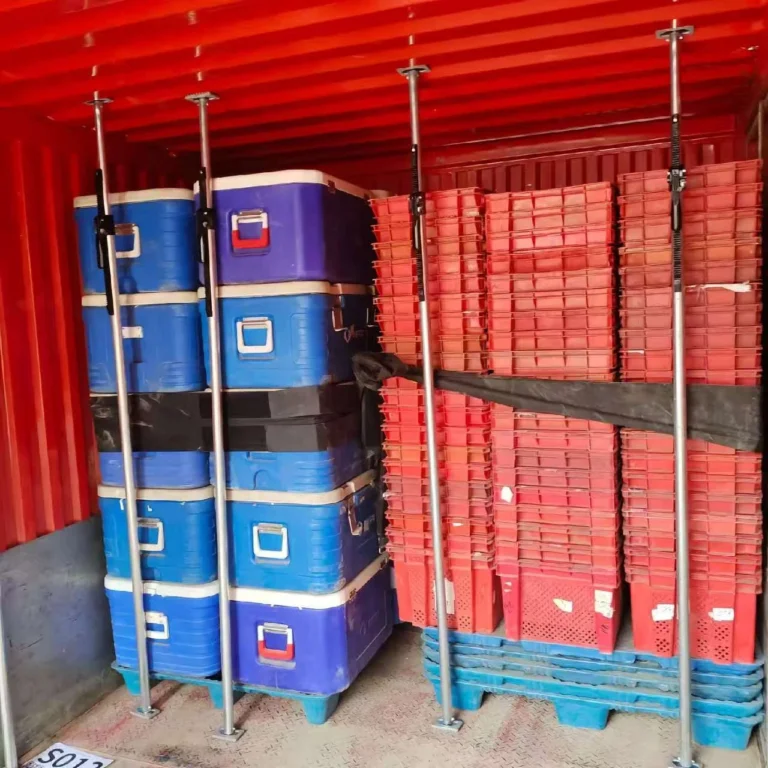
In refrigerated transport, securing cargo is just as important as maintaining temperature control. A cargo bar for refrigerated trucks helps stabilize goods, prevent shifting during transit, and protect temperature-sensitive products from damage caused by movement or improper loading. However, not all cargo bars are designed the same, and choosing the right one can significantly impact safety, efficiency, and load stability.
In this article, we will explain the key factors to consider when selecting a cargo bar, including material strength, adjustability, load capacity, and compatibility with refrigerated trailers. You’ll also learn common buying mistakes to avoid and how to choose the best option for your cold chain logistics needs.
Why Cargo Bars Matter in Refrigerated Transportation?
Refrigerated trucks often transport food, beverages, pharmaceuticals, flowers, and other temperature-sensitive products. During transportation, sudden braking, cornering, and uneven road conditions can cause cargo to shift.
A properly selected cargo bar helps:
•Prevent forward and lateral cargo movement
•Reduce product damage during transportation
•Improve transportation safety
•Enhance loading efficiency
•Maintain organized cargo positioning inside the trailer
For fleet operators and logistics companies, effective cargo restraint systems can significantly reduce claims related to damaged goods.
Key Factors to Consider When Choosing a Cargo Bar
Load Capacity
The first factor to evaluate is load capacity.
Different cargo bars are designed to withstand different levels of pressure. If your truck regularly carries heavy pallets, beverages, frozen foods, or industrial products, selecting a high-strength cargo bar is essential.
When evaluating specifications, always consider:
•Weight of the cargo
•Number of pallets being secured
•Transportation distance
•Road conditions
Choosing a cargo bar with insufficient load capacity may result in cargo movement during transit.
Adjustment Range
Refrigerated trucks and trailers come in various interior dimensions.
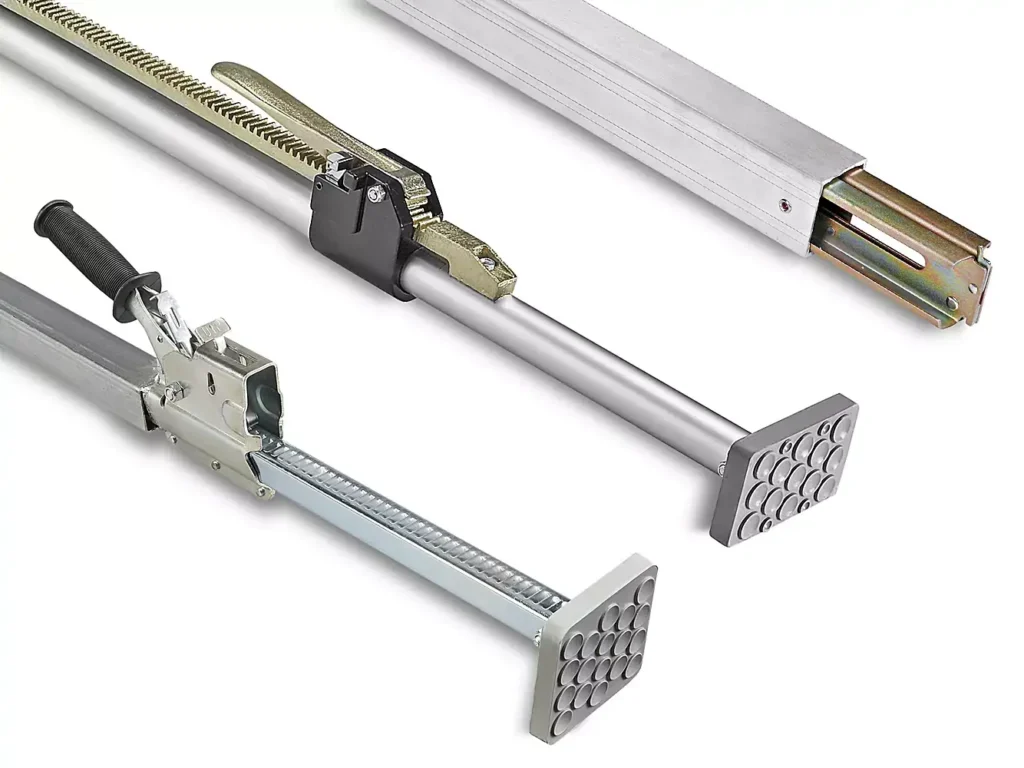
An adjustable cargo bar provides greater flexibility and allows operators to secure loads in different vehicle sizes. Before purchasing, verify that the adjustment range matches the internal width of your trailer or truck body.
A wider adjustment range can also improve operational efficiency when managing multiple vehicle types within a fleet.
Material and Corrosion Resistance
Refrigerated environments often involve moisture, condensation, and temperature fluctuations.
For this reason, material selection is particularly important.
High-quality cargo bars are commonly manufactured from:
•Galvanized steel
•Powder-coated steel
•Aluminum alloy
Corrosion-resistant materials help extend service life and reduce maintenance requirements, especially in demanding cold-chain environments.
Locking Mechanism
The locking mechanism directly affects cargo security.
A reliable cargo bar should provide:
•Strong holding force
•Easy installation
•Secure locking performance
•Resistance to vibration during transportation
Operators should verify that the locking system remains stable under repeated loading and unloading operations.
Choosing the Right Cargo Bar Based on Your Transport Needs
Local Distribution
For short-distance urban deliveries, standard adjustable cargo bars are usually sufficient. Ease of installation and operational convenience are often the top priorities.
Long-Haul Refrigerated Transport
Long-distance transportation exposes cargo to continuous vibration and changing road conditions. In these situations, heavy-duty cargo bars with reinforced locking systems are recommended.
Heavy Cargo Applications
For beverages, frozen products, industrial materials, or other high-density goods, select cargo bars with higher load ratings and stronger structural designs.
Installation Best Practices
Even the highest-quality cargo bar will not perform effectively if installed incorrectly.
For optimal performance:
- Position the cargo bar firmly against stable cargo surfaces.
- Ensure the bar is fully extended and locked.
- Verify that contact pads maintain firm pressure against trailer walls.
- Inspect the locking mechanism before departure.
- Recheck cargo security during long-haul trips.
Proper installation can significantly improve cargo stability and reduce transportation risks.
Common Mistakes Buyers Make
Choosing Based on Price Alone
Low-cost cargo bars may reduce initial expenses but often provide lower durability and reduced load-holding performance.
Ignoring Load Capacity
Some buyers select cargo bars without considering actual cargo weight. This can compromise transportation safety.
Overlooking Corrosion Resistance
Cold-chain transportation creates a humid operating environment. Cargo bars lacking corrosion protection may deteriorate prematurely.
Selecting the Wrong Adjustment Range
A cargo bar that does not properly fit the trailer interior cannot provide reliable cargo restraint.
Maintenance Tips to Extend Service Life
Routine inspection and maintenance can significantly extend the lifespan of cargo bars.
Recommended practices include:
- Checking locking mechanisms regularly
- Inspecting contact pads for wear
- Cleaning moisture and debris after use
- Replacing damaged components promptly
- Conducting inspections before long-distance trips
- Preventive maintenance helps ensure consistent performance and operational safety.