Introduction
In refrigerated transportation, maintaining a stable temperature is essential for protecting perishable goods and reducing operating costs. An insulated bulkhead is a practical solution that divides a refrigerated trailer into separate temperature zones, helping improve energy efficiency and cargo protection. However, not all bulkheads are designed for the same applications, and choosing the right one depends on factors such as trailer size, cargo type, insulation performance, and daily operating conditions.
This article explains the key considerations when selecting an insulated bulkhead and compares the available options to help you make an informed decision for your refrigerated trailer.

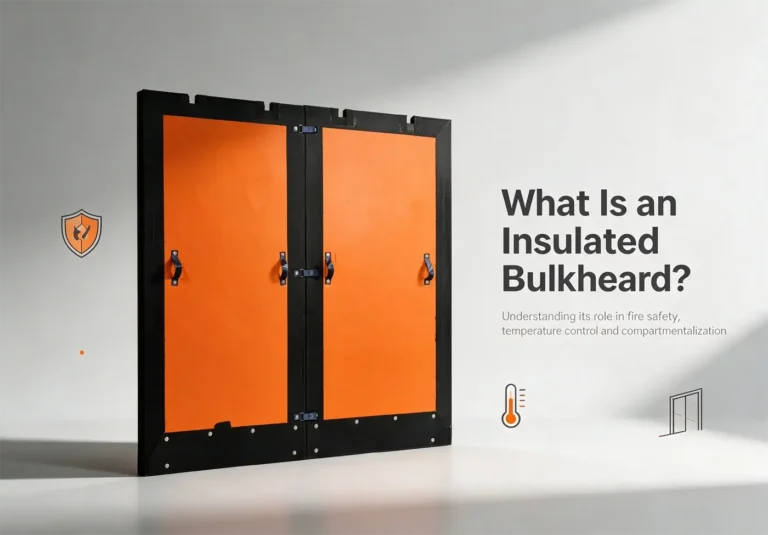
What Is an Insulated Bulkhead?
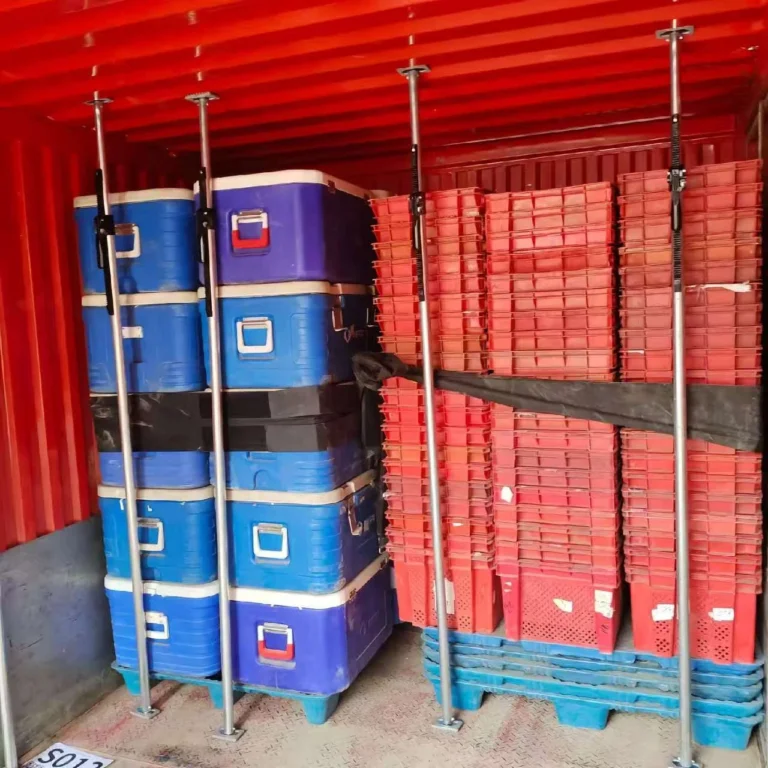
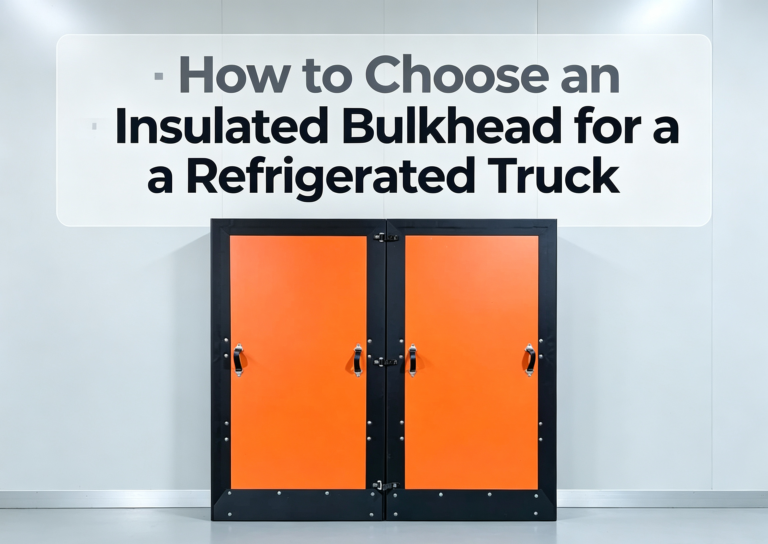
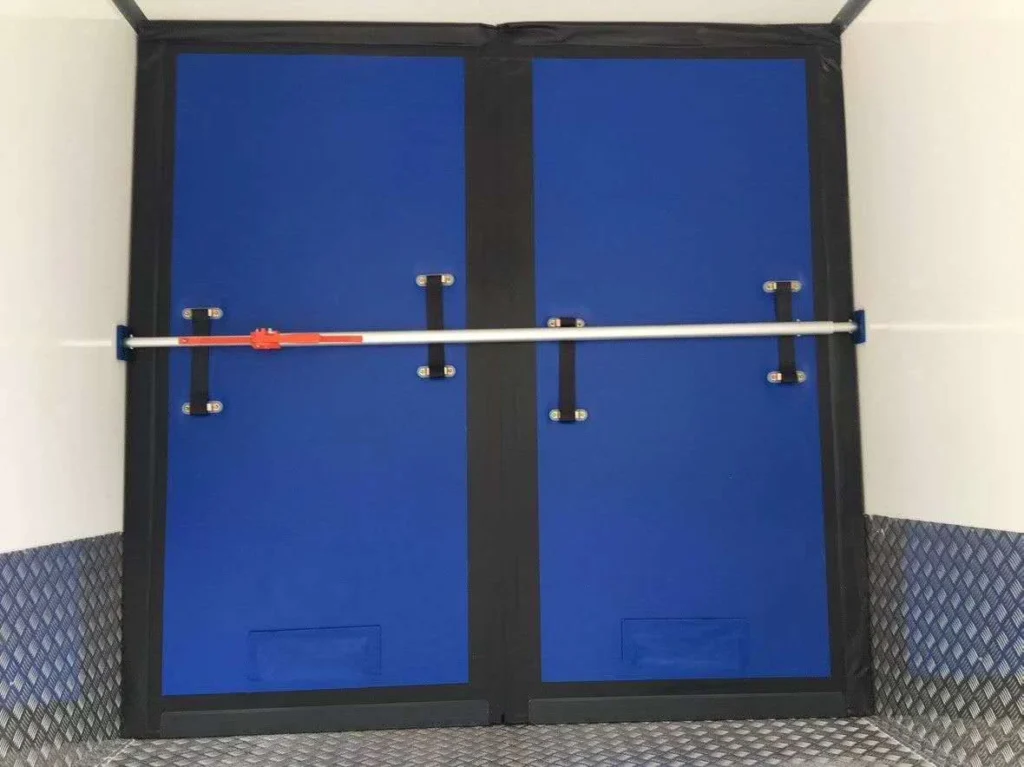
An insulated bulkhead is a movable or fixed partition installed inside a refrigerated trailer, truck body, or cold storage compartment to create separate temperature-controlled zones. It helps prevent cold air loss, improves refrigeration efficiency, and allows different products to be transported under different temperature conditions within the same vehicle.
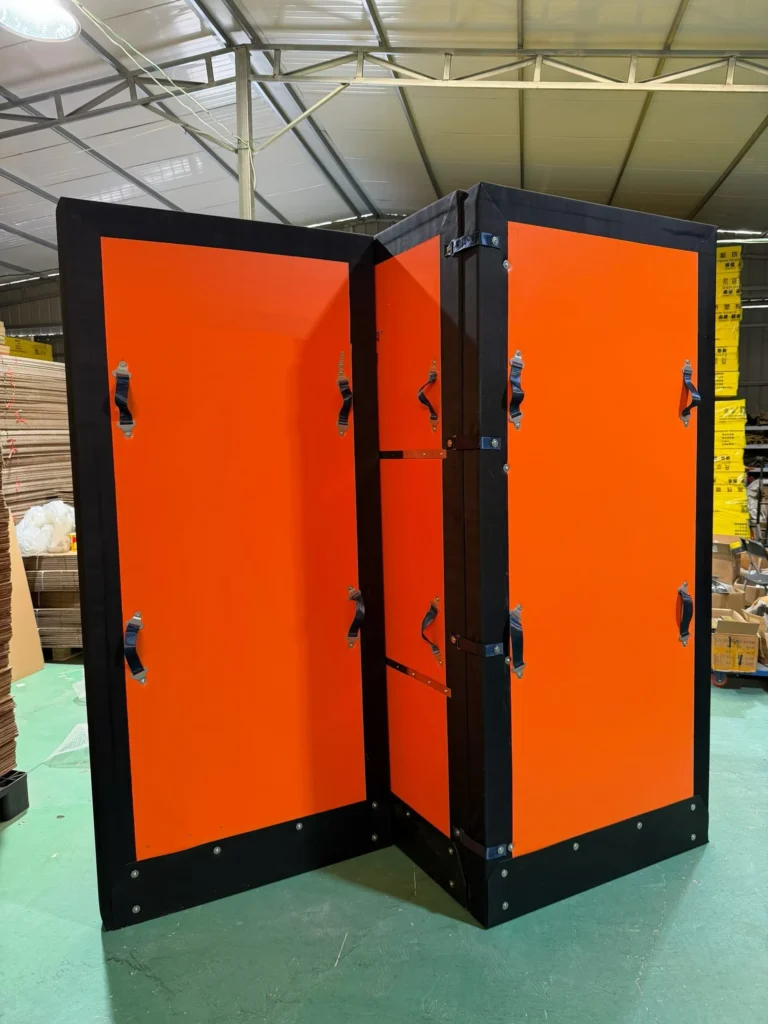
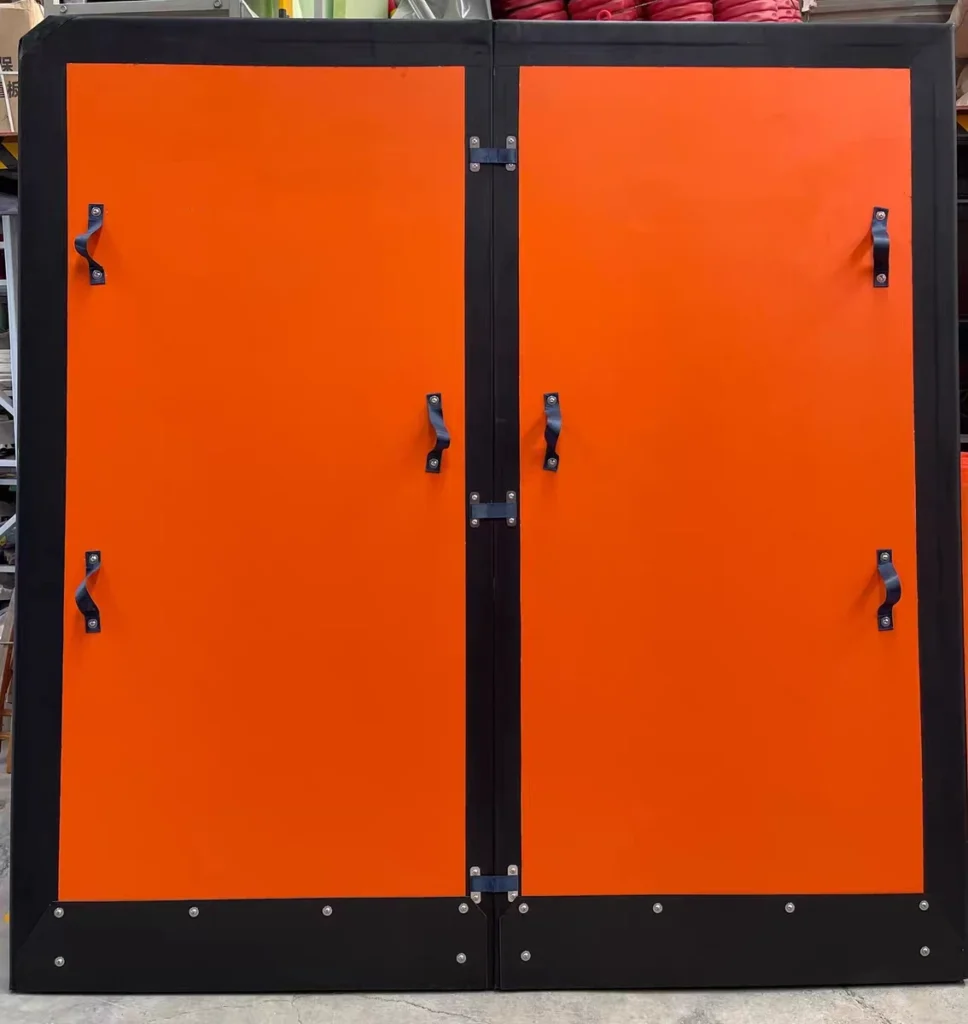
Insulated bulkheads are also commonly referred to as refrigerated trailer bulkheads, insulated trailer partitions, cold chain partitions, temperature-control bulkheads, or thermal divider walls. Depending on the application, they can be designed as sliding, folding, removable, or fixed panels.
Typically constructed with lightweight insulated cores such as polyurethane foam or other high-performance thermal materials, insulated bulkheads provide an effective barrier against heat transfer. They are widely used in food distribution and pharmaceutical logistics.

Why Insulated Bulkheads Matter in Refrigerated Trailers?
Without a bulkhead, a refrigerated trailer usually works as one large temperature zone. That might sound simple, but in practice it limits how flexible you can be and often leads to higher operating costs.
An insulated bulkhead changes that by helping you control airflow and temperature more effectively inside the trailer. In real-world operations, it makes a noticeable difference in several ways:
It helps keep cold air from escaping when doors are opened during loading and unloading, which keeps temperatures more stable. It also allows different temperature zones to exist within the same trailer, making it possible to transport mixed cargo safely. On top of that, better insulation improves the efficiency of the refrigeration unit, which can reduce fuel or energy consumption over time.
Another important benefit is product protection. When different goods are transported together, a bulkhead helps reduce the risk of cross-contamination caused by temperature or airflow mixing.
In cold chain logistics, even small temperature shifts can impact product quality. That’s why a well-designed insulated bulkhead isn’t just an accessory—it’s a practical part of running an efficient and reliable refrigerated transport system.
How to Choose an Insulated Bulkhead?
To choose the right insulated bulkhead for a refrigerated trailer, you must evaluate trailer dimensions, insulation performance, cargo temperature requirements, and operational flexibility. The ideal solution should balance thermal efficiency, durability, hygiene compliance, and cost-effectiveness while supporting multi-temperature logistics operations and long-term energy savings.
6 Factors to Consider When Choosing an Insulated Bulkhead
When choosing an insulated bulkhead for your refrigerated trailer, you need to evaluate six key factors: trailer dimensions compatibility, required temperature range, insulation performance, bulkhead type (fixed, sliding, or removable), hygiene and maintenance requirements, and total cost versus long-term efficiency.
These factors directly affect how well your trailer maintains temperature stability, reduces energy loss, and supports different types of cargo. By assessing them carefully, you can select a bulkhead that improves your cold chain efficiency, reduces operating costs, and ensures reliable performance in daily transportation operations.
1. Trailer Dimensions and Compatibility
The bulkhead must match the internal width, height, and structural design of the refrigerated trailer. Improper sizing can lead to air leakage and reduced insulation performance.
2. Temperature Requirements
Different cargo types require different temperature ranges:
- Frozen food: -18°C
- Fresh produce: 0–8°C
- Pharmaceuticals: 2–8°C
The bulkhead must maintain stable separation between these zones.
3. Insulation Material Performance
Common materials include:
- Polyurethane foam (high insulation efficiency)
- Composite insulation panels (balanced performance)
- Reinforced PVC systems (flexible but lower insulation)
Higher R-value materials improve energy efficiency and temperature stability.
4. Fixed vs Movable Design
- Fixed bulkheads: Best for single-route operations with stable loads
- Sliding bulkheads: Ideal for multi-drop and multi-temperature logistics
- Removable bulkheads: Suitable for flexible fleet operations
5. Hygiene and Maintenance
For food and pharmaceutical transport, materials must be easy to clean, corrosion-resistant, and compliant with hygiene standards.
6. Cost vs Long-Term Efficiency
Lower-cost solutions may reduce upfront investment but often increase long-term energy consumption and maintenance costs.
Comparison of Insulated Bulkhead Types
| Type | Best Use Case | Advantages | Limitations |
|---|---|---|---|
| Fixed Bulkhead | Single-temperature transport | High stability, strong insulation | No flexibility |
| Sliding Bulkhead | Multi-temperature logistics | Flexible operation | Higher cost |
| Folding Bulkhead | Space-saving fleets | Easy storage | Moderate insulation |
| Curtain Bulkhead | Short-distance delivery | Low cost, lightweight | Weak thermal control |
Types of Bulkheads in Refrigerated Trailers
Bulkheads used in refrigerated trailers are available in several configurations designed to meet different cold chain logistics requirements, including fixed bulkheads, sliding bulkheads, folding bulkheads, and removable insulated partitions. Each type offers distinct advantages in terms of insulation performance, operational flexibility, cargo accessibility, and energy efficiency, making the selection highly dependent on delivery routes, temperature zones, and loading frequency.
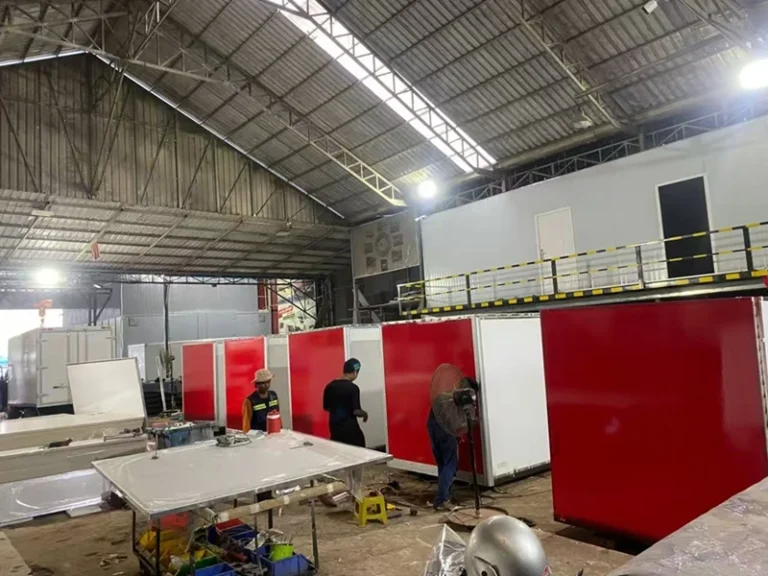
As a professional manufacturer, Grey Whale provides a full range of insulated bulkhead solutions for refrigerated trailers, covering standard and custom-engineered designs. The company supports OEM/ODM customization, including size adaptation, insulation material selection, structural reinforcement, and multi-temperature zoning configurations. With a focus on cold chain efficiency and long-term durability, Grey Whale also offers technical consultation and application-based design support to help logistics operators select the most suitable bulkhead type for their specific transportation needs.
Sponge and Pearl Cotton
Sponge and pearl cotton are the most basic and lowest-cost insulation materials used in refrigerated trailer bulkheads. They are mainly chosen for budget-sensitive applications where insulation performance is not the primary requirement. In real cold chain operations, however, their performance is limited and not suitable for long-term or high-standard refrigerated transport.
Key Characteristics & Limitations:
- Low material cost and widely available
- Easily absorbs moisture, affecting insulation efficiency
- Becomes heavier over time due to water retention
- Unstable thermal insulation performance
- Prone to mold growth in humid environments
- Not suitable for food-grade or pharmaceutical transport
- Best for short-distance or low-cost logistics operations
EVA Foam Panels
EVA foam panels offer slightly better performance than sponge and pearl cotton materials, making them a mid-range option for refrigerated trailer bulkheads. They are often used in cost-controlled logistics applications where moderate insulation and durability are acceptable.
Key Characteristics:
- Better structural integrity compared to sponge materials
- Moderate insulation performance
- Lightweight and easy to process
- Suitable for mid-range cold chain applications
Limitations:
- Material can become brittle under long-term stress
- Risk of cracking after repeated use or heavy loading
- Insulation performance gradually decreases over time
- Not ideal for heavy-duty or high-frequency logistics operations
- Limited lifespan in demanding cold chain environments
XPS Insulation Foam
XPS (Extruded Polystyrene) insulation foam is widely used in modern refrigerated trailer bulkhead systems due to its strong and stable thermal performance. It is considered a more professional-grade material for cold chain logistics where consistent temperature control is required.
Key Characteristics & Parameters:
- Thermal conductivity: approximately 0.024 W/m·K
- Extremely low water absorption rate
- High compressive strength and structural stability
- Lightweight but highly durable
- Long service life in low-temperature environments
- Consistent insulation performance in real transport conditions
- Suitable for professional cold chain logistics and multi-temperature transport systems
Because of these properties, even thinner XPS panels can deliver strong insulation performance, making them an efficient and widely adopted solution in refrigerated trailer applications.
Moisture Is Often the Real Key Issue
In real transport operations, temperature changes occur continuously. When warm air meets cold surfaces, condensation is unavoidable.
If the insulation material absorbs moisture, problems will gradually appear:
- Increased weight of the panel
- Reduced insulation performance
- Structural degradation over time
- Possible mold or bacterial growth
For meat and seafood transportation, this is a risk that must be avoided.
This is also one of the main reasons why XPS is widely used in cold chain applications.
Structural Details That Affect Daily Use
In addition to the insulation core material, small structural details also affect long-term usability.
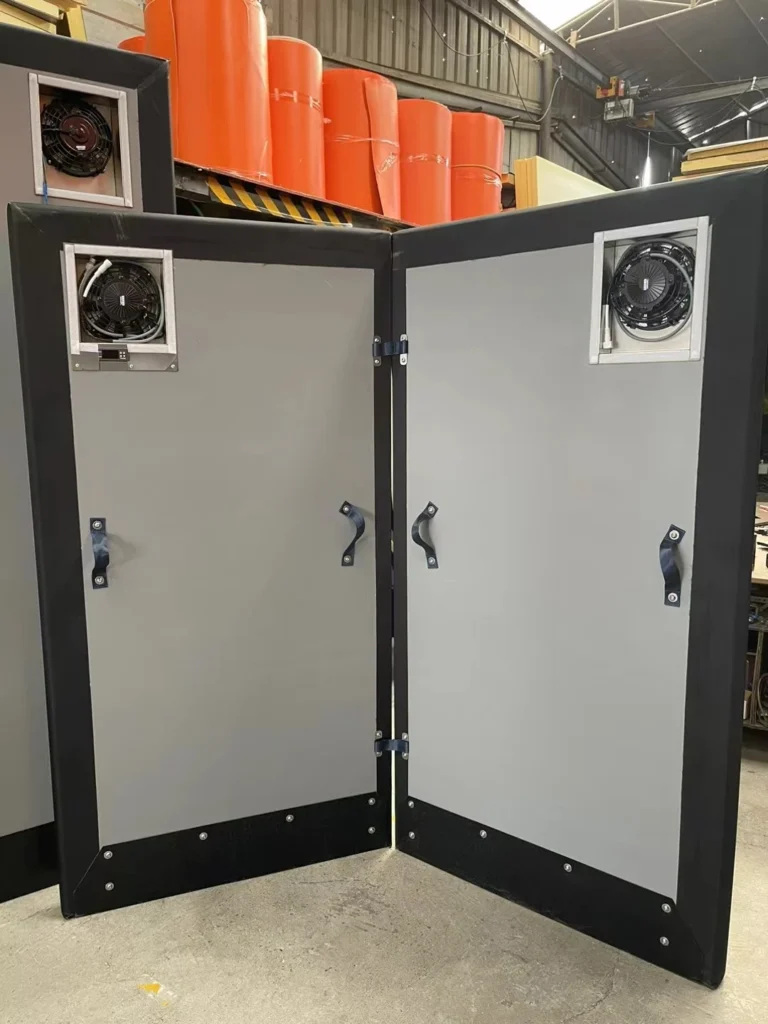
A practical insulated bulkhead usually includes:
- 304 stainless steel screws: to prevent rust in humid environments
- Webbing handles: for easier and safer handling during frequent use
- Oxford fabric edge wrapping: to improve wear resistance and durability
These are not decorative parts; they directly affect product lifespan in real logistics operations.
Do Not Focus Only on Purchase Price
In many cases, price is the first factor in decision-making.
However, in actual operation, the real cost often appears later.
Low-cost insulation panels may require more frequent replacement due to damage, moisture absorption, or performance degradation.
A more stable structure usually means:
- Fewer replacements
- More consistent performance
- Less operational downtime
- Lower long-term cost per vehicle
As a result, many operators eventually shift from low-cost solutions to more durable insulation systems.
How to Make a Practical Decision?
When selecting an insulated bulkhead, it is better to focus on real-world performance rather than only specifications or thickness.
Key questions to consider:
- How stable is the insulation material over time?
- Does it absorb moisture easily?
- Is the structure strong enough for daily handling?
- Is it suitable for food transport standards?
- How often does it need to be replaced?
In refrigerated trailer operations, an insulated bulkhead is not just a simple partition. It directly affects temperature stability, energy efficiency, and long-term maintenance costs.
From real-world experience, material quality is often more important than thickness.
Among the available options, XPS insulation boards perform more consistently in environments with frequent moisture and temperature changes, which is why they are widely used in cold chain transport applications.
For most operators, the better choice is not the thickest-looking product, but the one that remains stable over long-term use.
Conclusion
Choosing the right insulated bulkhead for your refrigerated trailer is a critical decision that directly impacts temperature stability, energy efficiency, and overall cold chain performance. From material selection to structural design and operational requirements, each factor plays an important role in ensuring reliable and cost-effective transportation.
By understanding the differences between insulation materials such as sponge, EVA foam, and XPS, and evaluating your real working conditions, you can avoid common selection mistakes and choose a solution that matches your logistics needs. A well-designed bulkhead not only improves cargo protection but also reduces long-term operating costs and enhances delivery efficiency in demanding cold chain environments.
If you are looking for a customized insulated bulkhead solution for your refrigerated trailer, feel free to contact us for professional guidance and tailored recommendations based on your specific application.